
For many people, the holidays are painted as the most joyful time of the year. They’re full of lights, traditions, music, gatherings, and a sense that something special is happening. But when it all ends, when the decorations come down, routines snap back into place, and winter stretches ahead, the emotional drop can feel sudden and heavy.
If you’re feeling low, unmotivated, anxious, or emotionally flat after the holidays, you’re not imagining it. 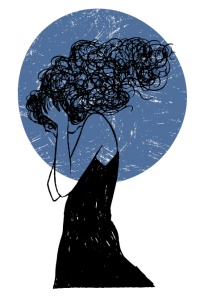 This experience, often referred to as the post-holiday blues, is incredibly common. And when it overlaps with Seasonal Affective Disorder (SAD), which tends to peak during darker winter months, those feelings can feel even more intense. The emotional crash many people experience after the holidays is both understandable and treatable. There is nothing “wrong” with you for feeling this way, and there is hope.
The post-holiday blues don’t come from a single source. Instead, they tend to build from several emotional, psychological, and physical factors all happening at once. The holiday season is emotionally intense. Whether your emotions skewed positive or negative, they were likely heightened. Joy, nostalgia, stress, grief, pressure, loneliness; all of it tends to be amplified. When something emotionally charged ends, the nervous system often responds with a sense of letdown. It’s similar to how people feel after a big event, vacation, or milestone. Once the anticipation and stimulation are gone, the body and mind need time to recalibrate. The skew from usual routine also adds to the low feelings post-holidays. During the holidays, normal structure often disappears. Sleep schedules change. Eating habits shift. Exercise routines fall away. Work or school pauses. While this flexibility can feel freeing at first, humans generally rely on rhythm and predictability to stay emotionally regulated. When January arrives and everything restarts at once, it can feel overwhelming rather than grounding.
For some, the holidays highlight connection. For others, they highlight its absence. If you spent the holidays alone, worked through them, experienced family tension, or felt disconnected while everyone else seemed joyful, that emotional contrast can linger. Social media often intensifies this, making it seem like everyone else had a warm, perfect holiday. Even if that’s far from the truth. Additionally, grief doesn’t pause for the holidays. In fact, it often becomes louder. If you’ve lost a loved one, gone through a breakup, divorce, or major life change, the holidays may have underscored that absence. Once the distractions end, the grief can feel even more present.
There is a difference between post-holiday blues and SAD. While post-holiday blues are typically short-lived, they can overlap with something more persistent: Seasonal Affective Disorder (SAD). SAD is a form of depression that tends to occur during seasons with reduced daylight, usually beginning in the fall and easing in spring. Symptoms often overlap with “traditional” depression. Things like: Low mood or sadness, Fatigue and low energy,  Changes in sleep or appetite, Difficulty concentrating, Withdrawal from others, Loss of interest in activities are all signs of something greater than simple disappointment. Because the holidays sit right in the middle of SAD season, many people experience a “double hit”. Emotional exhaustion from the holidays layered on top of biological and environmental changes.That’s why it’s important to pay attention not just to what you’re feeling, but how long it lasts.
Compared to seasonal affective disorder, post holiday blues are directly related to the month of December. After the holidays, many people report feeling: unmotivated or emotionally flat, irritable or unusually sensitive, anxious or restless, stressed about finances or responsibilities, sleep disruptions, mentally “foggy”, and being stuck in rumination about the past few weeks. These experiences are usually temporary. Most people gradually return to baseline as routines stabilize and emotional intensity decreases. But if these feelings persist, worsen, or begin to interfere with daily functioning, it may be time to look for extra support. It’s important to be gentle with yourself and to be supportive. You don’t need to “fix” yourself. You don’t need to force positivity. What helps most during this period is small, compassionate steps.
Give Yourself Time: January doesn’t need to be a productivity sprint. Allow yourself a buffer period to transition back into routine. It’s okay to move slower than usual.
Re-Anchor Your Routine: Structure can be soothing. Try reintroducing a regular sleep schedule, simple meals, light movement, and daily check-ins with yourself.
Move Your Body Gently: Exercise doesn’t need to be intense to help. Walking, stretching, yoga, or dancing in your living room can significantly improve mood and energy.
Seek Out Light: Natural light, outdoor time, or bright indoor lighting can help regulate mood. Especially during winter months.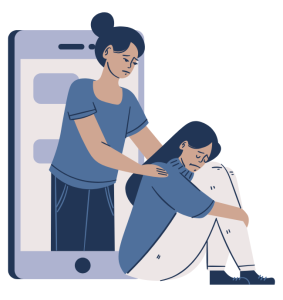
Connect, Even If It’s Only a Little: You don’t need to suddenly become social. A phone call, coffee date, or brief check-in can help counter isolation. Even small interactions matter.
Create Something to Look Forward To: Planning a future moment of connection or enjoyment, even something simple, gives your brain a sense of forward motion.
It might be time to reach out for help if your low mood lasts for weeks, feels heavy or hopeless, interferes with work, school, or relationships, or comes with persistent anxiety or withdrawal. These are signs that it may be more than post-holiday blues. Many people benefit from speaking with a therapist during this time of year. Therapy can help you understand what’s driving your feelings, develop coping strategies, and create a sense of steadiness during emotionally challenging seasons. Support is not a last resort, it’s a resource you should use.
The post-holiday period can feel like everyone else is “back to normal” while you’re still trying to find your footing. But healing, adjusting, and re-grounding don’t follow a calendar. You’re not behind, you’re only human. Feeling low after the holidays doesn’t mean something is wrong with you. It means you experienced something intense, emotionally, socially, and physically, and now your system is asking for care. Be gentle with yourself. Stay curious about what you’re feeling. And remember: you don’t have to carry it alone.
If the post-holiday blues are weighing on you, help is available. Start by listening to our Clinical Director’s Podcast, Straight Talk with Sandra Reich, and gain more insights into the complexities of the post-holiday season.
Holiday Blues
About the Episode
Many people suffer from Season Affective Disorder (SAD). It generally hits around October and goes away by April or May.
Couple that with the anxiety and craziness of the holidays and you might find yourself feeling very down.
First of all…you are not alone. SAD is more common than you may think.
Secondly, there is hope!
Sandra Reich and Georgia Dow from the Montreal Center for Anxiety and Depression team up to help you beat those holiday blues!
Listen to it here:
https://www.youtube.com/watch?v=_8Nj96MUIjI
Enjoyed Sandra’s insights? Subscribe to our YouTube channel and Follow us on INSTAGRAM and FACEBOOK for daily tips, tricks, and inspiration.
Feeling a little down at the end of the holiday season is completely normal. At The Montreal Center for Anxiety and Depression we have top specialists who can help you return to your usual routine and help you discern if it’s more than just that. It would be our absolute pleasure to match you with a therapist who can support you in becoming the best version of yourself.
To find your therapist now, give us a call at 514 777-4530 today. We would love to help you, and get you started on your journey. Change your life… TODAY!
