
Many people thrive in social settings, but just as many… don’t. Some feel that familiar feeling of pressure in their chests at the mere idea of being introduced or even speaking up. The idea of being the center of attention, even briefly, is terrifying enough for them to feel their hearts clench. For a good amount of the population, this discomfort runs far deeper than ordinary nervousness. It can feel consuming, humiliating, and impossible to ignore.
Embarrassment is a normal human emotion, but for some people this is a much heavier sensation. It can turn into a deep fear of being seen, judged, or exposed. This universal experience for some can overtake their lives and become so strong it begins to shape choices, relationships, and have negative effects on everyday life. The emotional experience of embarrassment is closely related to social anxiety and is the reason why these feelings can be so overwhelmingly aversive.
Embarrassment is labeled in the psychology world as a self-conscious emotion. It shows up when we believe we’ve disrespected a social norm or value and as a result have put ourselves at risk of others judging us. Blushing, stuttering, and wanting to be swallowed by a hole in the group are all common symptoms. Embarrassment serves the purpose of helping us navigate social life. It’s what signals awareness, remorse, or humility, and often is responsible for maintaining our social bonds. However, when embarrassment becomes intense and persistent, it stops being helpful and actually inhibits our ability to interact in society. 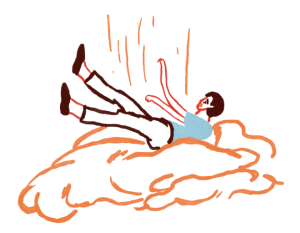
It’s important to remember embarrassment doesn’t require a serious mistake. Being complimented in public, forgetting someone’s name, or anything that draws the slightest bit of attention to yourself can be a trigger. The brain will focus on it and exaggerate the moment, convincing us that everyone was watching… even though they weren’t. Usually, the feeling of embarrassment fades quickly. Sometimes, it lingers instead. That one single moment of slight awkwardness will be replayed again and again, for much longer than anyone there likely even remembered it for. Over time, this leads to avoidance. Such as skipping social events with the people the situation happened with, not speaking when in public for fear of saying the wrong thing, or even staying clear of any and all situations where something embarrassing could occur.
This is where embarrassment can line up with social anxiety. Social anxiety isn’t about being shy or introverted. It’s about being so anxious about social missteps that it becomes a fear of interaction itself. It comes from the deeper running fears of being evaluated, criticized, or humiliated. People with social anxiety often feel more at ease when they’re alone, and are in a heightened level of distress around others. Especially in new and unfamiliar environments. “What if I say the wrong thing?”, “What if they think I’m weird?”, and “What if everyone notices how nervous I am?” are all common thoughts that pop up when someone suffers from social anxiety. These questions sound irrational but produce real fear in those who ask them. They are not markers of a weak person. They’re driven by a nervous system that is stuck in protection mode from a historically aversive sensation.
Embarrassment becomes especially volatile when it slips into humiliation. This cuts deeper because it’s an attack on how we see ourselves. Humiliation can lead to someone feeling: inadequate, deeply self-conscious, isolated from others, and overall ashamed of their reactions and themselves. In some cases, repeated or intense embarrassment can contribute to depression, chronic anxiety, and a shrinking sense of self-worth. People have described this feeling as “dying of embarrassment,” even when these events seem small to an outside eye. What makes this especially difficult is the suffering is usually invisible. Others usually don’t realize how much effort it takes to just show up, let alone actually interact and expose themselves to the world.
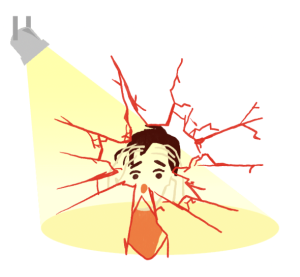 One of the key drivers of social anxiety is the spotlight effect. While known by many names, it’s the general idea that everyone is constantly paying attention to your every move… even when they aren’t. In reality, everyone around us is just as much, if not more, self-involved that you really think. Chances are when you’re thinking of the weird way you said “hi”, they’re involved in their own spotlight effect. Honestly, they may not even be aware of the fact you’re in front of them. Yet, your body reruns the scenario so many times it lights up the fight-or-flight system. The brain rewrites the story and convinces you your minor social faux-pas are threats to your survival: Even though they aren’t. Understanding this process can help you begin to work with, instead of against, yourself. Your reactions are not failures. You are not to blame. They are simply nervous system responses.
Learning to sit with your discomfort is how you can break the cycle. Avoidance can feel protective, but in reality it reinforces your anxiety. Each time you avoid a possibly embarrassing situation, you resend the message that embarrassment is unbearable and is actually dangerous to you. Healing begins not with eliminating embarrassment, but with modifying our thoughts associated with it. Helpful steps include:
- Naming the feeling instead of fighting it.
- Breathing through the physical sensations until they pass.
- Gently challenging the assumptions that everyone is focused on you.
- Allowing imperfect moments without self-shaming.
Strangely, one of the most effective ways to reduce embarrassment is by acknowledging it casually. Talking through an embarrassing moment, and spending conscious time to reflect on what actually happened, removes its power over you. Silently turning the moment over in your head, with your unconscious brain running the show, turns an objectively minor event into something to be feared.
People who struggle with embarrassment and social anxiety often speak to themselves way harsher than they would to anyone else. Approaching yourself with self-compassion is crucial to recovery. It doesn’t mean minimizing what happened. It means recognizing that being human comes with awkwardness, missteps, and moments of discomfort. When you’re in an embarrassing situation try taking yourself out of it, and ask yourself how you would speak to a friend telling you this as a story. Embarrassment loses its control over you if it’s met with kindness instead of criticism.
It’s time to seek support if your fear of embarrassment, discomfort in public, or whatever you’re calling it, 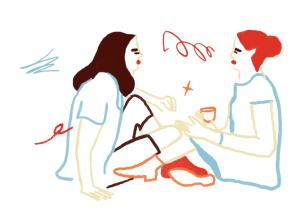 starts to impact your daily life. When social anxiety starts to interfere with work, relationships, and possibly your sense of self, professional support can be an important next step. Therapy can offer you a safe space to understand the roots of social fear, learn tools for regulating anxiety, practice new ways of standing up to discomfort, and rebuild confidence. You shouldn’t wait for things to become unbearable before reaching out for help. Support can be proactive, not just reactive.
The fear of embarrassment often reflects how deeply we care about belonging. Wanting to be accepted, understood, and valued is not a flaw. It’s an inherently human trait. With understanding, patience, and the right approach, it’s possible to loosen embarrassment’s grip on your life. You are not alone in this experience, and you do not have to navigate it on your own. It’s time for you to take back your power, step back into connection, and feel safe. Even in public.
If the risk of social embarrassment is weighing on you, help is available. Start by listening to our Clinical Director’s Podcast, Straight Talk with Sandra Reich, and gain more insights into the intertwined nature of embarrassment, shame, and social anxiety.
Dying of embarrassment
About the Episode
Some people love being the life of the party. Others hate being the center of attention. Whether it’s you or someone that you love – do you avoid interpersonal relationships? Hate being introduced to other people? Or being teased and criticized? If a person usually becomes irrationally anxious in social situations, but seems better when they are alone, then “social anxiety” may be the problem. Social anxiety is more than just being a little shy. It’s the fear of interaction with other people that brings on self-consciousness, feelings of being negatively judged and evaluated, and, as a result, leads to avoidance. This common disorder can also lead to feelings of inadequacy, inferiority, embarrassment, humiliation, and depression. In this important episode, Sandra and her colleague Georgia Dow talk about this devastating and traumatic condition.
Listen to it here:
https://www.youtube.com/watch?v=yGrHlLCH5BA&list=PL1H0sIkMEK6bWjulD8ZLASMPvsSlyizXe&index=20
Enjoyed Sandra’s insights? Subscribe to our YouTube channel and Follow us on INSTAGRAM and FACEBOOK for daily tips, tricks, and inspiration.
Not wanting to be the center of attention is normal. Letting the possibility of embarrassment run your life is not. At The Montreal Center for Anxiety and Depression we have top specialists who can help you take back control of your life. It would be our absolute pleasure to match you with a therapist who can support you while you learn to support yourself.
To find your therapist now, give us a call at 514 777-4530 today. We would love to help you, and get you started on your journey. Change your life… TODAY!
